


Every January, the food industry goes through the same ritual. Decks appear. Arrows go up. Familiar words get recycled. “Disruption.” “Next-gen.” “The year of…” All applied to ingredients that have quietly existed for centuries.
At Nursh, we tend to skip that part.Not because nothing is happening. Quite the opposite. But what we see in 2026 is not another trend cycle. It feels more like a maturity phase. Food, finally, behaving like a grown-up system.
No crystal ball. Just microbes, matrices and a healthy suspicion of empty claims.
Living foods are no longer a liability
For decades, microorganisms were treated as a problem to be eliminated from food. Control, stability and predictability dominated formulation logic. Fermentation existed, but mostly at the margins, either locked in tradition or framed as artisanal exception.
A recent 2025 study on kimchi and immune markers is a good example. Not because it crowned kimchi as a miracle food, but because it confirmed something far less sexy and far more useful: the effect does not come from one heroic strain. It comes from the interaction between fibers, microbes and the metabolites they produce along the way. In other words, a system.
That is exactly how fermented foods work in practice. They are living matrices, not ingredient lists. We have been working with that complexity for years, from fermented condiments and garums to proxy wines and hybrid products that rely on microbial behavior rather than flavour tricks.
Living foods are not nostalgic. They are highly engineered ecosystems. And 2026 might finally be the year we stop treating them as exceptions.
Micro-organisms are no longer something to hide. They are becoming a design variable.
Mycelium as a formulation platform
Mycelium is often discussed through the lens of replacement. Replacing meat. Replacing animal protein. Replacing existing systems. That framing tends to oversimplify what makes mycelium technically interesting.
From a formulation perspective, mycelium stands out because it naturally combines properties that are otherwise difficult to engineer. It grows into fibrous structures, has a relatively neutral flavour profile and contributes intrinsic binding. Unlike many plant proteins, it does not require extensive processing or long ingredient decks to perform.
This makes mycelium particularly relevant in hybrid meat applications. Hybrid products do not ask consumers to abandon meat. They simply reduce reliance on it while preserving texture, juiciness and overall sensory performance. In practice, this approach aligns well with flexitarian behaviour and shows strong potential in foodservice and B2B contexts.
The remaining challenges are less technical than perceptual. Language matters. “Fungus” triggers hesitation, while “fermented protein” reframes the same biomass as a familiar, functional ingredient. Beyond meat analogues, mycelium also opens opportunities in texture-driven categories such as frozen desserts, where structure and mouthfeel are central.
Seen this way, mycelium is not a single product bet. It is a platform technology that can reshape how protein systems are formulated, priced and scaled. Making that work requires an ecosystem of research labs, upscaling partners, ingredient suppliers and chefs. Fortunately, that ecosystem already exists.

Naturality as a design constraint
Naturality has moved well beyond being a marketing preference. It now acts as a structural constraint in product development. Consumers increasingly associate natural ingredients with transparency, safety and quality, while still expecting products to perform in terms of shelf life, stability and sensory appeal.
This creates real tension at formulation level. Removing synthetic or highly processed ingredients does not remove their functional role. Colour, texture and preservation still need to be addressed.
Bakery products illustrate this clearly. Natural colourants are sensitive to heat, pH and processing, making consistent visual performance difficult. Texture presents similar challenges. Traditional hydrocolloids are effective but often perceived as overly processed, pushing formulators to look for alternatives that feel more familiar.
Our work focuses on functional simplification rather than elimination. Plant-based colourants, when carefully selected and applied, can perform in demanding matrices. Acacia gum offers emulsification, stabilisation and mouthfeel enhancement while benefiting from positive consumer perception. Plant-derived compounds such as rosmarinic extract can act as antioxidants and antimicrobial agents, contributing to shelf life without relying on synthetic preservatives.
None of these solutions work as drop-in replacements. They require deep understanding of interactions within the product matrix. Naturality does not make formulation easier. It raises the bar.
Wellness beverages rooted in formulation reality
Wellness is no longer a niche positioning in beverages. It has become foundational. Consumers expect drinks to do more than hydrate. They look for support in managing stress, focus and recovery, preferably through plant-based and recognisable ingredients.
Adaptogenic plants have moved from supplements into mainstream beverage formats for this reason. Ingredients such as ashwagandha, lion’s mane, reishi, rhodiola, tulsi and cordyceps each bring specific physiological effects, along with distinct sensory and regulatory considerations.
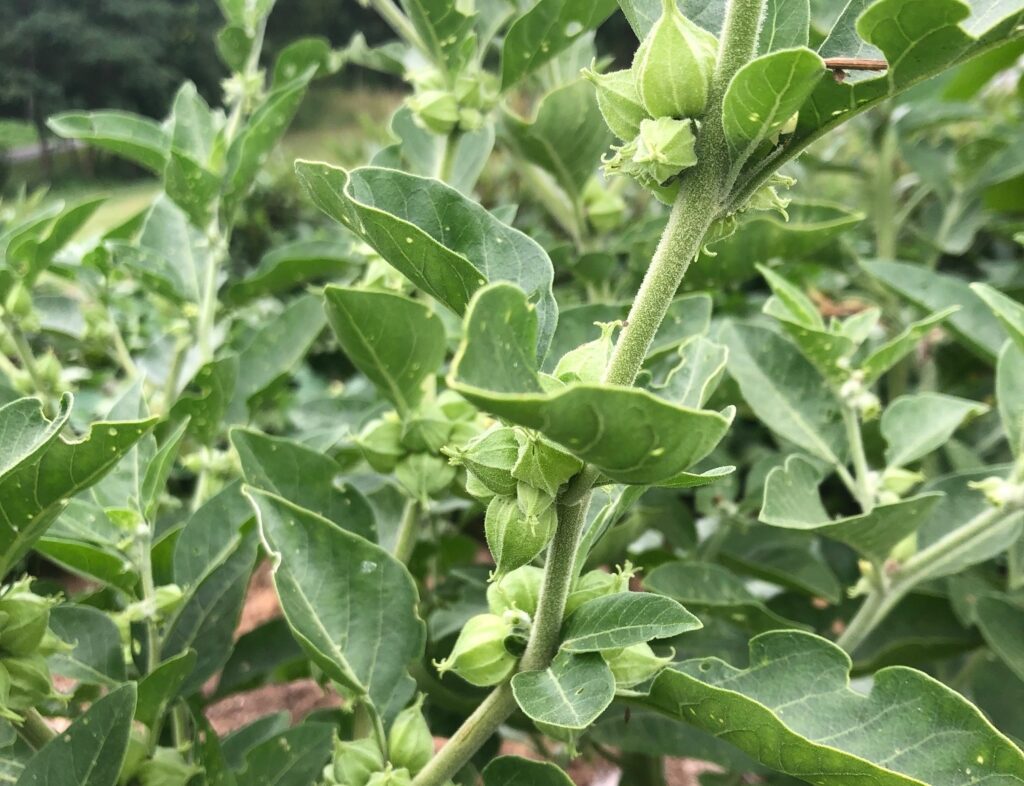
The real work lies in formulation. Single ingredients rarely tell the full story. Synergistic blends often make more sense, both in terms of function and taste. Bitterness and earthy notes need to be managed thoughtfully, not masked indiscriminately. Claims must align with current legislation, informed by both traditional use and recent clinical research.
In our projects, adaptogens are treated as functional components within a broader system. Sourcing, processing, solubility, flavour integration and regulatory framing all need to align for a beverage to resonate in the body as well as in the market.
A quieter shift
What connects living foods, mycelium, naturality and adaptogenic beverages is not novelty, but systems thinking. Food innovation is gradually moving away from isolated ingredients towards designed interactions between components.
This shift does not lend itself easily to trend lists or bold predictions. It unfolds quietly, through better understanding, better tools and better questions.
That is where we find ourselves in 2026. Less focused on what is new, more engaged with what actually works.